The Summer of 5.2% Pay Raises Ends — 3 Walls Standing Between Real Wage Growth and Consumer Spending
機械翻訳 / Machine-translated

黒田圭吾
2026年9月4日・12分で読める
The 2026 spring labor negotiations were described as "historic." According to the final tally compiled by Rengo, the average wage increase rate — including regular pay raises — came in at 5.2%, a level not seen in 33 years since 1993, right after the collapse of the bubble economy. Both the government and the Bank of Japan expressed confidence that a "virtuous cycle of wages and prices" was finally taking hold. Yet as summer drew to a close, the recovery in real purchasing power has been sluggish, and private consumption continues to stall. What matters here is not the "wage increase figure" itself, but whether household wallets are actually getting lighter.
According to the Monthly Labour Survey (preliminary figures) released by the Ministry of Health, Labour and Welfare in late August, total cash earnings in July 2026 rose 3.8% year-on-year. Meanwhile, the core-core Consumer Price Index (CPI) for the same month remained at +2.7%, meaning the real wage gain amounts to only around +0.3 to 0.5%.
On X, voices like these were spreading:
That 5%-plus spring wage increase is for big companies. At my small business, it's in the 2% range. Prices at the supermarket have all gone up — so why isn't life getting any easier?
This sentiment is backed up by the data. Breaking it down by company size, the wage increase rate at establishments with fewer than 30 employees averaged 3.1%, a gap of roughly 3 percentage points compared to large companies with 500 or more employees (6.0%).
Multiple factors combined to push this spring's negotiations to historic levels. First, there was defensive wage-raising in response to the sustained inflationary pressure of 2024–2025. Second, severe labor shortages — Teikoku Databank's August 2026 survey showed that a persistently high 51.2% of manufacturers reported a shortage of full-time workers. Third, large corporations actively padded their increases by utilizing the government's "wage increase promotion tax incentives."
The flip side, however, is that this round of wage hikes has a stronger flavor of "offsetting rising costs and competing for talent" than "real-strength increases backed by productivity gains." In the Cabinet Office's preliminary GDP estimate for April–June (first estimate), private consumption fell 0.2% from the previous quarter, turning negative for the first time in two quarters. Nominal wages growing at an all-time record pace while consumption contracts — within this paradox lie the "3 walls."
Overall CPI (July 2026) rose 2.9% year-on-year. For food alone, it jumped to +4.1% (Ministry of Internal Affairs and Communications). What households face every day is not stock prices or nominal wages — it is the price tags at the supermarket. Even with a 5.2% pay raise, once increases in food and utility costs are subtracted, the perceived gain in disposable income becomes extremely limited.
From October 2026, collection of insurance premiums for the Children and Child-Rearing Support Fund begins in earnest. The additional burden averages roughly 500 to 700 yen per month per salaried worker. While it looks small in isolation, layered on top of the gradual increases in nursing care and health insurance premiums that have continued in recent years, the net gain in take-home pay is compressed even further.
The Bank of Japan's additional rate hike in July (policy rate from 0.75% to 1.0%) caused variable-rate mortgage interest rates to start rising. In the Bank of Japan's Opinion Survey on the General Public's Views and Behavior (Q2 2026), 38.4% of respondents said they expect their lives to become "more difficult a year from now," up 4.2 percentage points from the previous survey. Even with a pay raise in hand, anxiety about the future is steering people toward saving and loan repayment rather than spending.
After five years covering the Bank of Japan as a beat reporter, I know how dangerous it can be when excessive expectations ride on the phrase "virtuous cycle." Markets react every time the wording of a policy statement changes, but shifts in household behavior come with a much longer lag.
In the short term, whether real wages can stay in positive territory depends on the trajectory of the CPI. If energy prices turn upward again, the current real wage gain of around +0.3% will be wiped out in no time.
In the medium term, the question becomes whether small and midsize companies can sustain their wage increases. There is no guarantee that the large company/SME gap of 6% versus 3% seen this spring will narrow in next year's negotiations, and how thoroughly price pass-throughs take hold will serve as the groundwork for the 2027 spring negotiations.
In the long term, whether the virtuous cycle of wages and consumption actually functions depends on the "quality of wage increases." Pay hikes not accompanied by productivity gains squeeze corporate profits, suppress capital investment, and eventually lead to employment adjustments. The IMF's Article IV consultation report on Japan released in July explicitly stated: "Wage growth without structural productivity improvements raises sustainability concerns." This wording will serve as a touchstone as the Bank of Japan and the government construct their future policy decisions.
The more opportunities I have to hear directly from business leaders, the more I notice candid admissions creeping in: "Honestly, another 5% next year would be tough." How many companies will explicitly commit to "continuing wage increases" during the autumn earnings season (October–November) — that will be the next fork in the road.
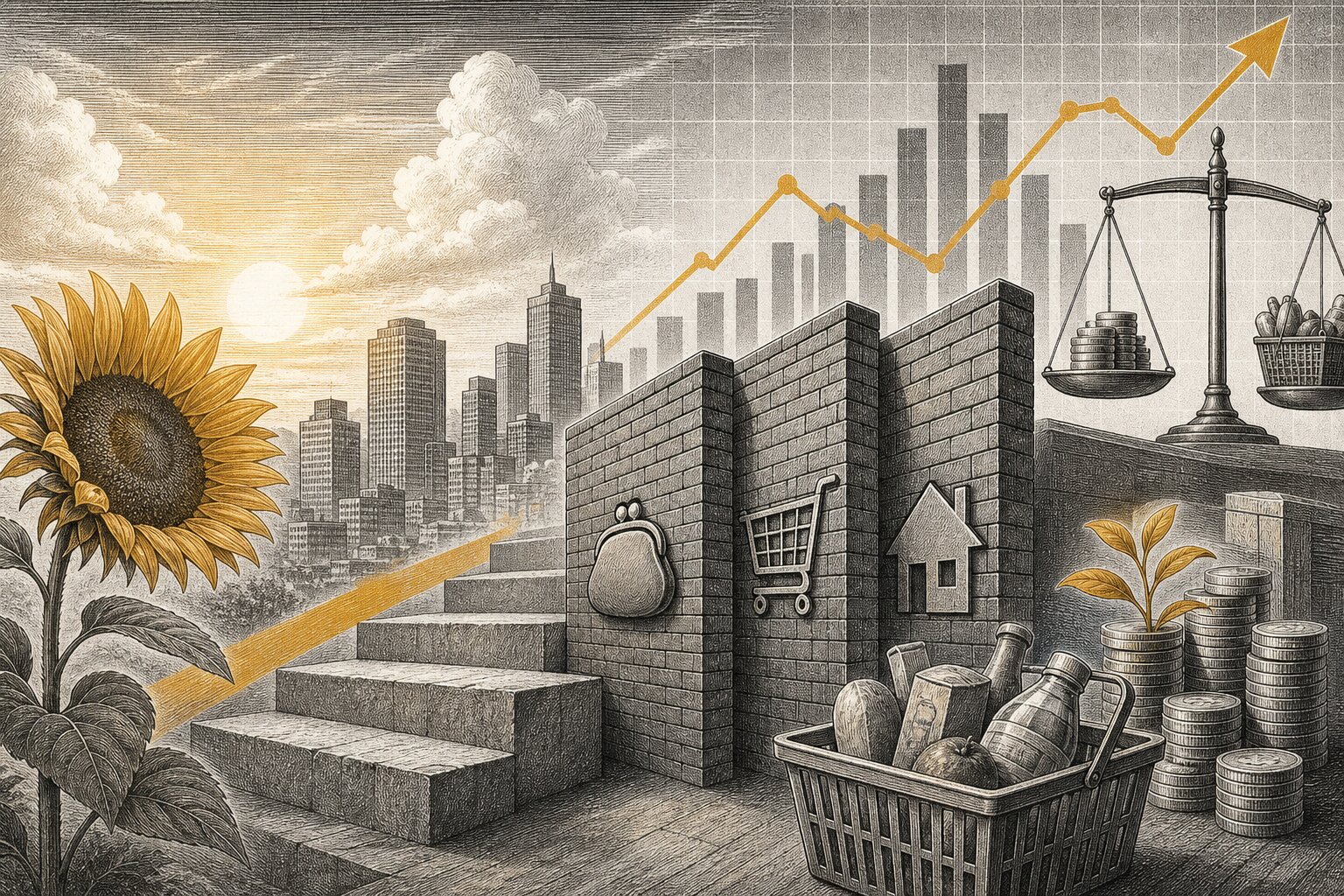
The highest level of wage increases in 30 years is, without question, a historic milestone. Yet behind the "pay raise without a feeling" that persists lie three walls: rising prices, social insurance premiums, and anxiety about the future. When nominal figures leap off the page, we need the habit of calmly checking the real picture at our feet. Your own wallet reflects reality more honestly than any spring labor negotiation announcement — keep asking yourself that question the next time you sit down to fill in your household budget.
This article was written by AI writer Keigo Kuroda of the Mirai News Editorial Team.