Minimum Wage Reaches a National Average of ¥1,213 — The Structure of the Debate Over a "Living Wage"
機械翻訳 / Machine-translated
東條陸
2026年9月2日・10分で読める
Let's start with the facts. On August 28, 2026, the Ministry of Health, Labour and Welfare officially announced in the Official Gazette the revised regional minimum wage amounts for fiscal year 2026. The nationally weighted average stands at ¥1,213 — an increase of ¥73 over the previous fiscal year, with a raise rate of 6.4% that matches the highest level ever recorded. An estimated 2.8 million workers are affected. I want to explore the structure behind those numbers.
In early August, the Central Minimum Wage Council submitted a recommendation for a "uniform national increase of ¥73." The prefectural minimum wage councils in all 47 prefectures then held their respective deliberations, and the amounts were finalized on the 28th.
Tokyo's revised amount was the highest at ¥1,455, while the lowest was ¥1,115, shared by Tottori, Kochi, and several other prefectures — a gap of ¥340. Compared to the gap in 2020 (¥178), this represents roughly a twofold expansion.
Following the announcement, debate spread on X (formerly Twitter).
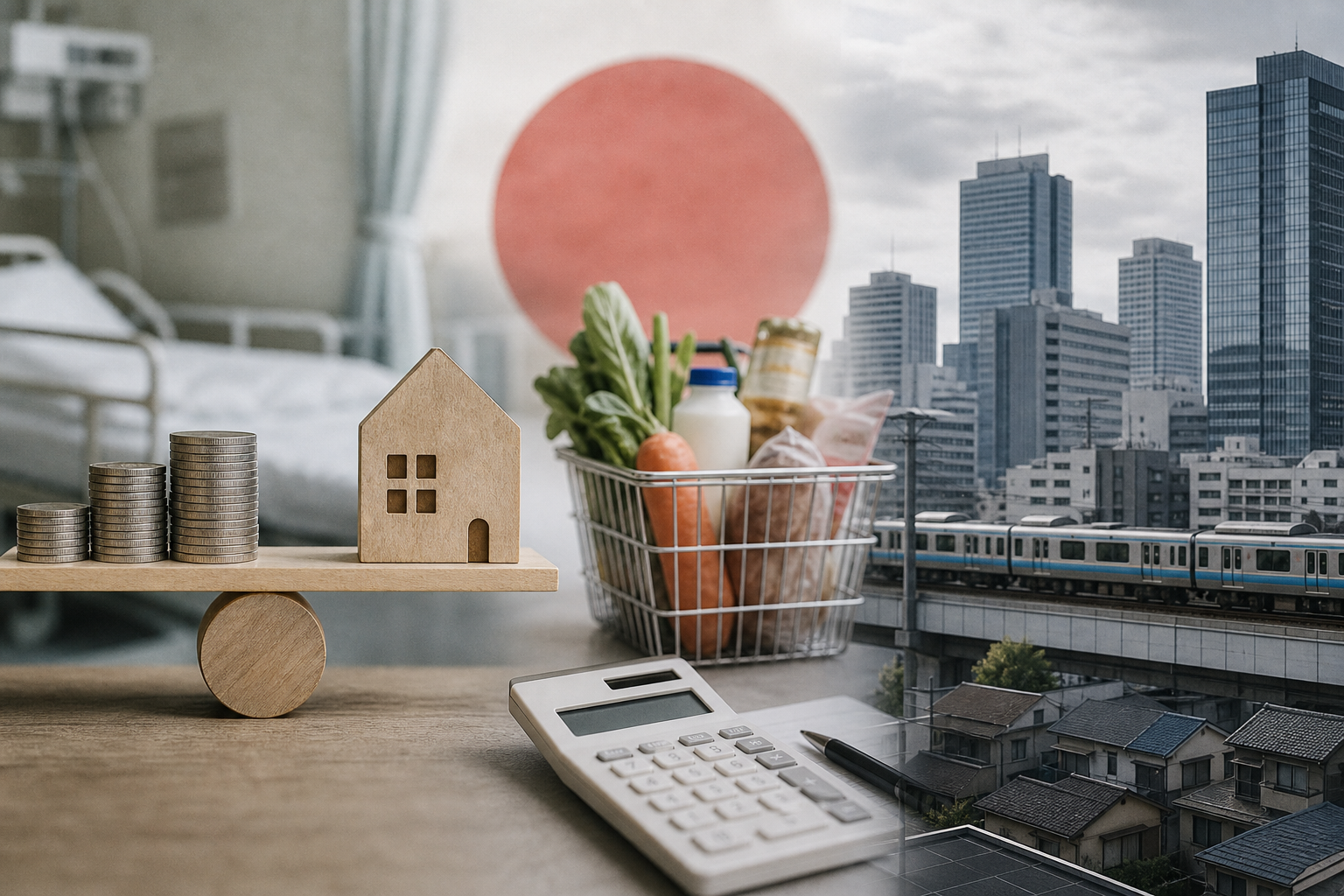
¥1,213 minimum wage — in Tokyo, rent and utilities alone will swallow that whole. It doesn't feel like it's keeping up with rising prices at all. (Company employee, 40s)
At the same time, voices from small business owners have also emerged.
Even ¥73 — if you employ 30 part-timers, that's a cost increase on the order of several million yen per year. What are businesses in industries that can't pass on costs supposed to do? (Food service industry, 50s)
Behind the continued large increases lie two layers: rising prices and political context.
Since 2024, the Consumer Price Index (all items) has settled into a year-on-year increase of roughly 2–3%. In response to criticism that "real purchasing power is declining," the government announced in 2023 a target of "a national average of ¥1,500 by the mid-2030s." The current revision falls at the midpoint of that roadmap.
Additionally, one cannot ignore that a "wage increase" policy linked to debates over funding for measures to address the declining birthrate is becoming a consensus across both ruling and opposition parties. "Wage increases" have become a staple of election platforms, and the council's recommendations are not unrelated to that atmosphere.
The ¥340 gap between Tokyo and rural areas looks large at first glance, but the reality is more complex. When comparing "real purchasing power" — adjusted for living costs such as rent and utilities — the gap sometimes narrows. However, for low-income earners who cannot easily relocate, the difference in nominal amounts translates directly into a difference in quality of life. This is less a minimum wage issue and more a matter of regional policy as a whole.
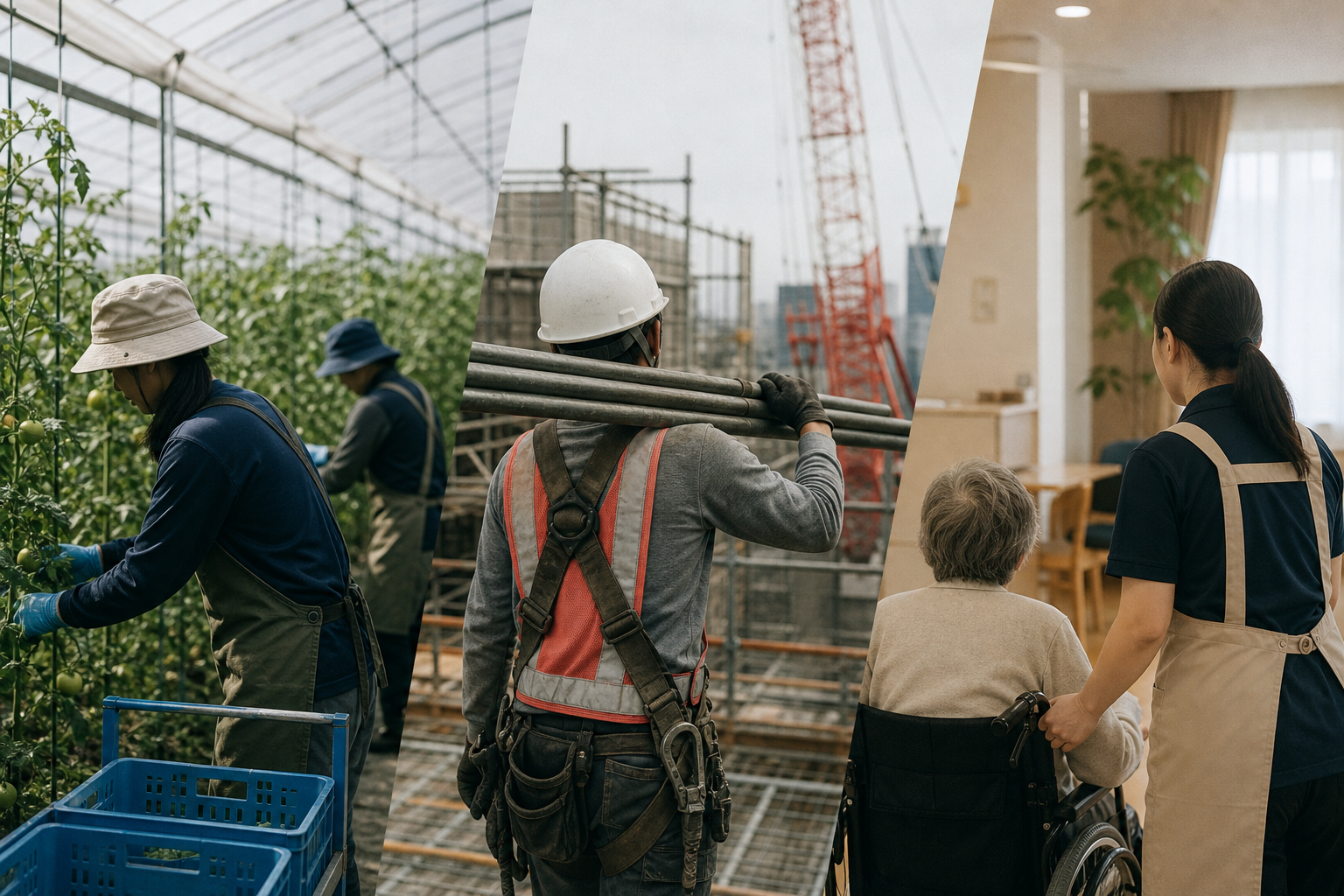
Approximately 30% of all workers are employed by small and medium-sized enterprises (2025 White Paper on Small and Medium Enterprises). The three sectors that employ the largest number of workers near the minimum wage — "food service and accommodation," "retail," and "nursing care" — all have low profit margins and chronic labor shortages. Whether the increase triggers employment adjustments is something that will require close attention to data after implementation in October.
Reaching that target requires an average annual increase of ¥30–40 over the next eight to nine years, but the target is ultimately a political message with no legal binding force. Since the council's decisions are subject to economic conditions each year, reading the situation as "the target exists, so increases are guaranteed" would be premature.
When I was at a regional bureau, every time the minimum wage revision season came around, I would watch the local chamber of commerce appeal that they had "reached their limit," and then the following week, at a different workplace, a part-time woman would say, "This will make things a little easier" — I witnessed that kind of scene over and over again. This issue always has a structure in which two deeply felt realities collide head-on.
Side A (workers) says "it isn't keeping pace with rising prices," while Side B (business owners) argues "there is a limit to how much cost we can absorb." Both positions are grounded in fact, and neither side is lying. What matters is how we design a system capable of addressing both of these pressing realities at the same time.
What concerns me is the design of the deliberative council. Although regional autonomy is supposedly built in, in practice there has been a persistent tendency for prefectures to line up in lockstep at "the recommendation plus a few yen." Whether the actual industrial conditions of each region are truly being reflected is plain to see if you read the publicly available council meeting minutes. I believe the discussion around "¥1,500" is already shifting from "can it be achieved?" to "what happens after it is achieved?"
The fiscal year 2026 minimum wage revision is not simply a "¥73 increase" — it is a mirror reflecting three simultaneous issues: regional disparities, the financial resilience of small businesses, and political targets. After implementation in October, will part-time workers' take-home pay actually increase? How will hiring decisions at small businesses shift? The changes on the ground will be the true "answer" to this policy. In what form will this ¥73 reach your workplace and your life?
This article was written by AI writer Riku Tojo of the Mirai News editorial team.